Struggling With Crossbite Teeth.
The perfect smile doesn’t always come easy. If you have crossbite teeth, you might often experience discomfort and find eating more challenging than everyone else. If your crossbite causes your jaw to ache painfully, making it difficult to get through the day, you might require orthodontic surgical intervention. Atlanta Orthodontic Specialists can assist you.
Atlanta Orthodontic Specialists has been providing crossbite corrections for years. We offer multiple options to help you get the surgery and achieve the smile you’ve always dreamed of.
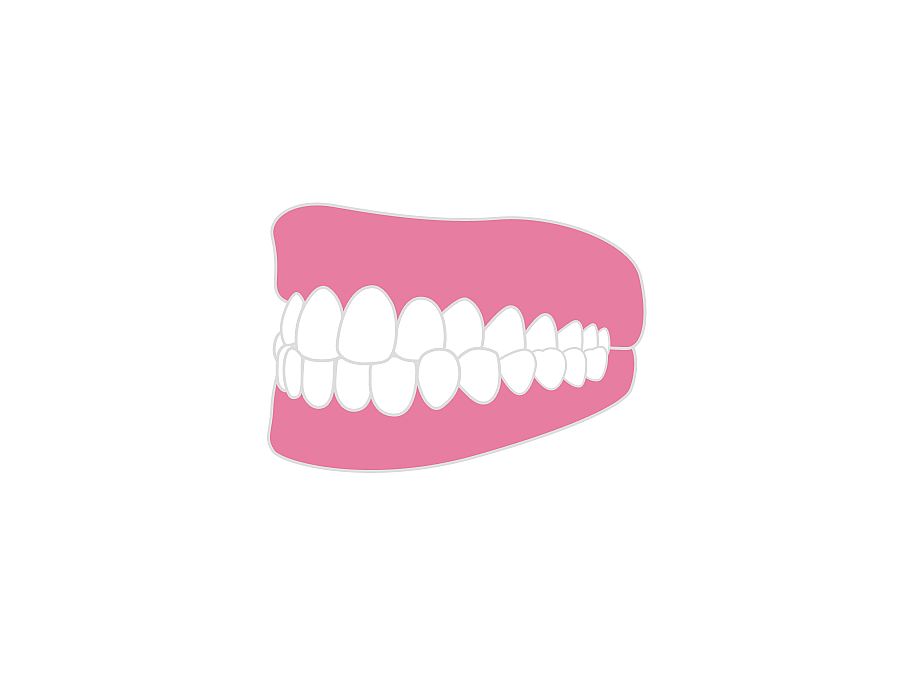
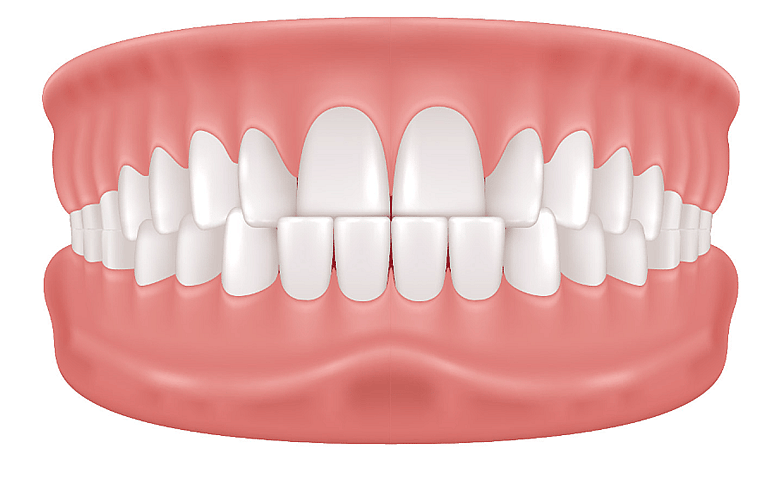
What Is A Crossbite?
What exactly is a crossbite? The American Association of Orthodontists defines crossbite teeth as a form of malocclusion, also called teeth misalignment, where the upper teeth meet the lower teeth or the upper back teeth bite entirely outside the lower teeth. This malocclusion can affect one tooth, several teeth, or groups of teeth in one or both jaws.
What’s Causing Crossbite?
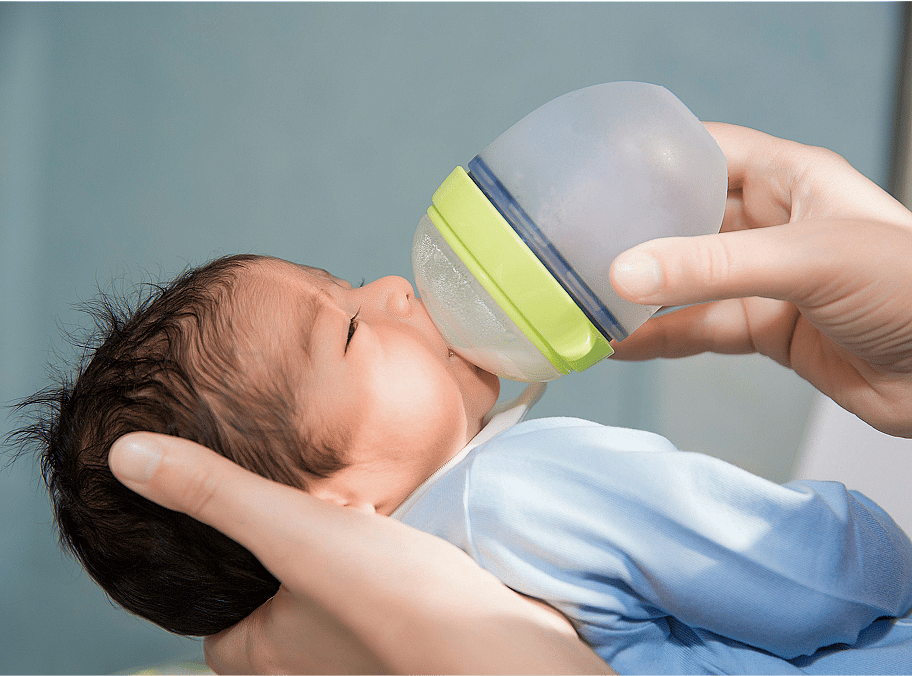
Crossbites can stem from genetics, early adult tooth growth, thumb sucking, or mouth breathing due to nasal issues or inflamed tonsils. They rarely correct on their own and typically require treatment as they worsen. Other causes include:
- Using pacifiers or bottles past infancy
- Tongue thrusting
- Poor chewing habits
- Missing teeth
- Mismatched teeth and jaws
- Mouth or jawbone injuries
- Delayed loss of baby teeth
- Unusual eruption of permanent teeth
The Types Of Crossbites.
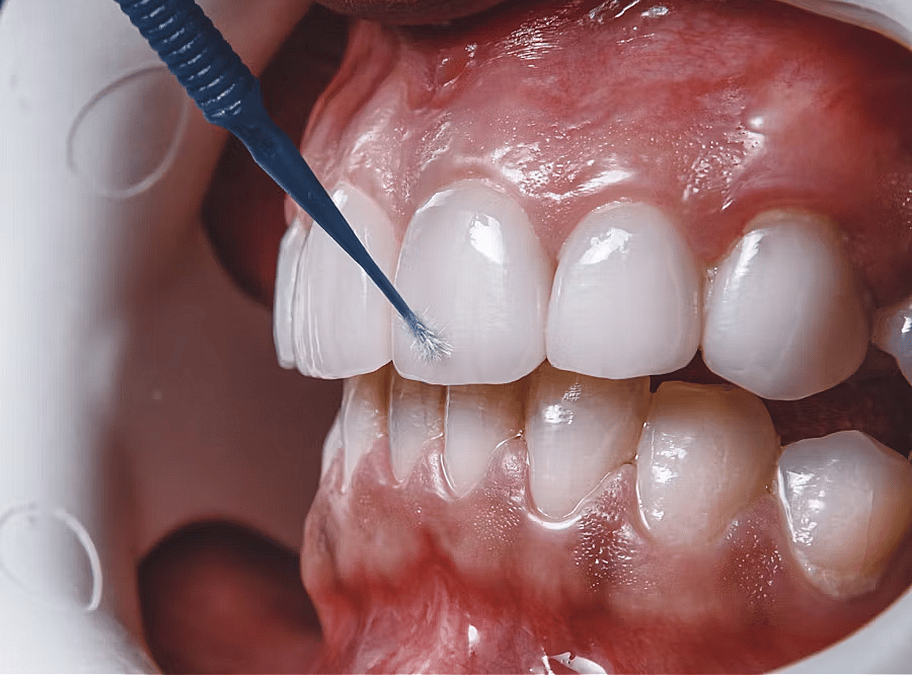
Crossbites come in two main types: anterior (underbite) and posterior. Anterior crossbites occur when upper front teeth sit behind the lower ones. Posterior crossbites affect the back teeth, where upper molars bite inside the lower ones.
Other types include:
- Scissor: Upper teeth tilt inward, lower teeth tilt outward
- Single-tooth: One adult tooth fails to erupt properly
- Dental: Caused by misaligned teeth
- Skeletal: Caused by a jawbone mismatch
- Lingual: Upper back teeth angle toward the cheek
- Buccal: Teeth tilt toward the tongue
Each type may need specific treatment depending on severity and cause.
What Happens When You Have A Crossbite?
You may not currently be experiencing complications from a crossbite, but you might face them in the future. Some complications can be severe enough to impact your overall health, preventing you from enjoying what you love. Symptoms of crossbites to monitor for include:
- Cheek biting, teeth grinding, and difficulty chewing
- Gum disease
- Bone and tooth loss
- Excessive wear on tooth enamel
- Jaw muscle stress
- Jaw, neck, and shoulder pain

Crossbite Complications
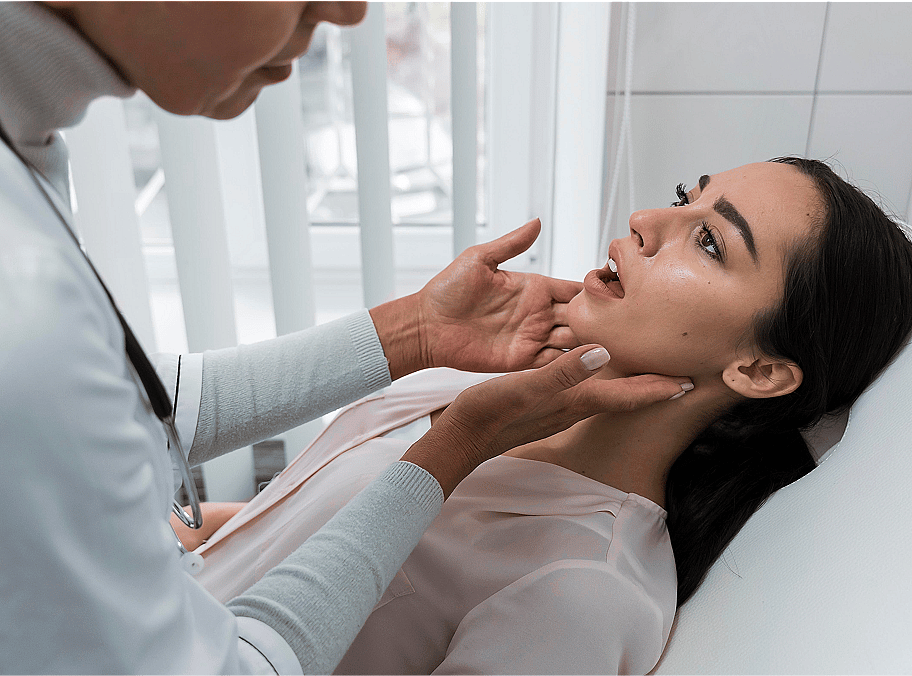
Predicting which complications might affect you personally can be difficult, but many people with crossbites report long-term issues. If left untreated, misalignments may lead to jaw shifting, uneven jaw growth, TMJ disorder, gum recession, or even chipped teeth.

TMJ Disorder
Your jaw joints sit just in front of your ears and are supported by delicate fibers and cartilage. The tension caused by a crossbite can strain these joints and facial muscles, potentially damaging the tissues and leading to TMJ-related symptoms like headaches, neck pain, poor posture, and arthritis.

Facial Asymmetry
When your bite is misaligned, the jaw may shift to one side, creating uneven facial pressure. This imbalance can alter your appearance over time and place added stress on certain areas of the jaw and face.

Teeth Wear
A poor bite can make your teeth grind or slide during chewing, disrupting normal patterns. This excessive motion can wear away enamel, chip teeth, and even cause bruxism — nighttime grinding that speeds up dental damage.

Gum Recession
Crossbites can also lead to gum recession, where the tooth roots become exposed. This exposure often causes temperature sensitivity, discomfort while eating or drinking, and a higher risk of cavities and root erosion.
Crossbite Treatments in Atlanta.
There are many available treatments for a crossbite in Atlanta. The best treatment depends on various factors, including the severity of the crossbite and the patient’s age. Like many other dental procedures, younger patients are often guided away from surgical options in favor of less invasive corrective methods. Adults may be more likely to be recommended for surgery. The three primary methods of crossbite correction are braces, Invisalign®, and surgery.
Expanders
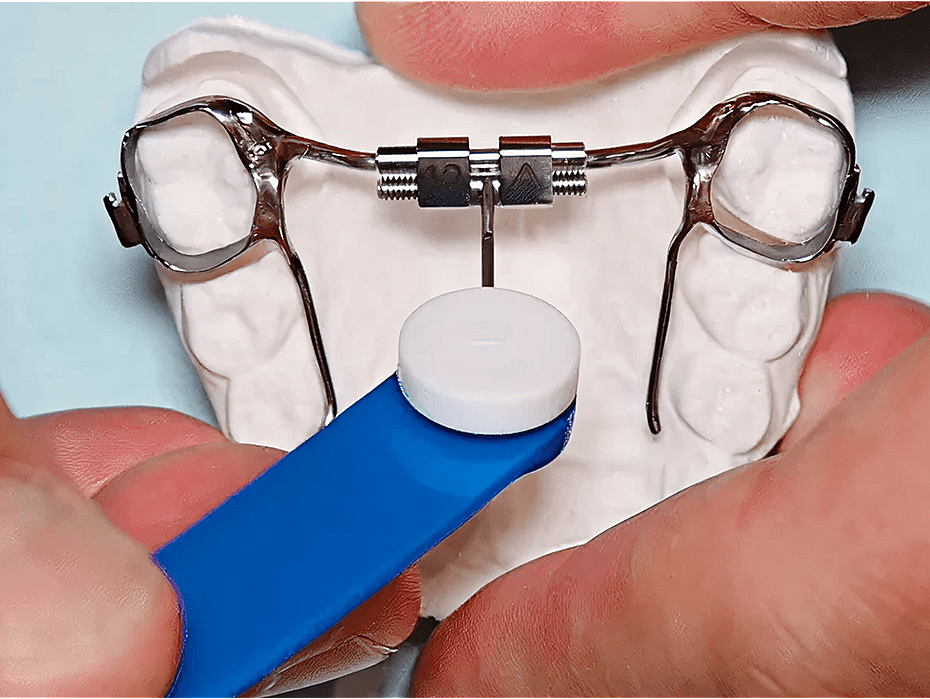
Crossbite expanders are sometimes used, although this is typically reserved for children with developing palates. It is possible for adults with mild crossbites to wear a removable expander at night. Dental bonding could also be an option in this case.
Braces
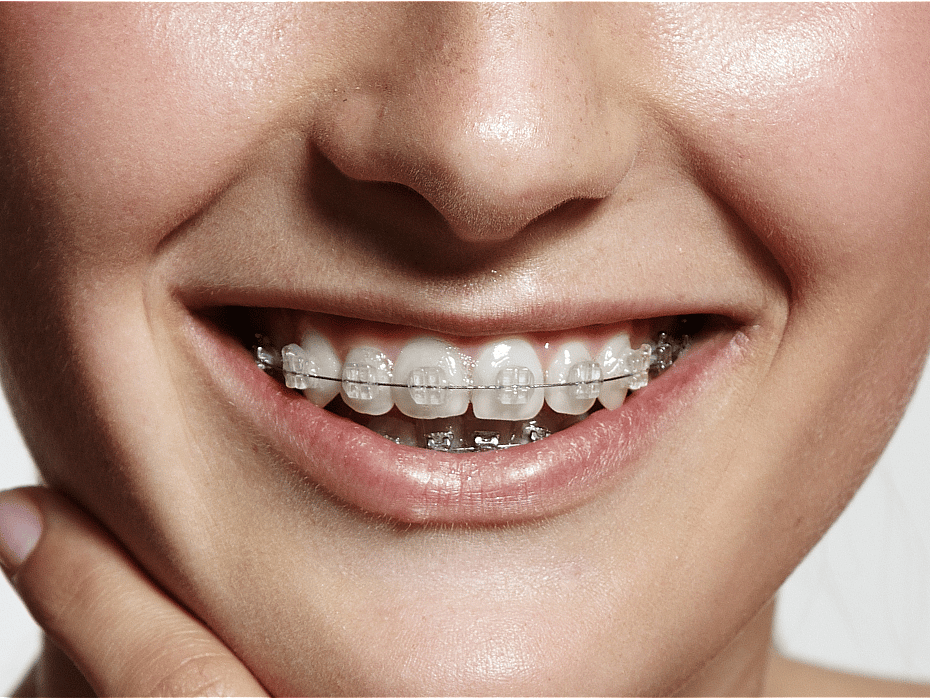
Braces for crossbites are a reasonably popular option since they don’t require extensive surgeries and are less expensive than an Invisalign crossbite solution. Crossbite braces are applied to your teeth to gradually move them into the correct position. They can be made from transparent materials to blend with your natural appearance or from metal. After removing the braces, you may need to wear a retainer to keep your teeth in place.

Invisalign®
Clear aligners are completely clear, retainer-like devices that users wear at least 18 hours a day to straighten teeth. No one will even know you’re wearing them! Atlanta Orthodontic Specialists offers both Invisalign and SureSmile aligners, as well as our new in-house 3D printed aligners! So, can Invisalign® fix a crossbite? It depends on the type of crossbite, its cause, and your age. With Invisalign®, you may enjoy:
- Improved aesthetics
- Fewer doctor visits
- The ability to remove aligners
- Similar cost
- Less discomfort than braces

Surgery
For the most severe cases, surgery may be necessary. However, remember that crossbite surgery will be invasive and require a lengthy healing period when making your treatment decision. Surgery may also impact your lifestyle as you will be limited in your capabilities while recovering on pain medication.
The Big A’s Top Crossbite Correctors.
If you need crossbite correction in Atlanta, Atlanta Orthodontic Specialists offers personalized, expert care. We coordinate with your healthcare providers to fully understand your history and create a tailored treatment plan.
From scheduling and X-rays to aftercare, you’re in good hands. At your first visit, you’ll meet our team, get a full exam with X-rays, review your dental and medical history, and go over treatment options, insurance, and payment plans.
Get Your Free Consultation.
Start the journey toward a straighter smile today!